Current condition
Record rice variety and grain/fines condition, product supply level, packaging specification and the proposed handling route. Keep grain condition, individual weights, transfer losses and seal observations distinct.
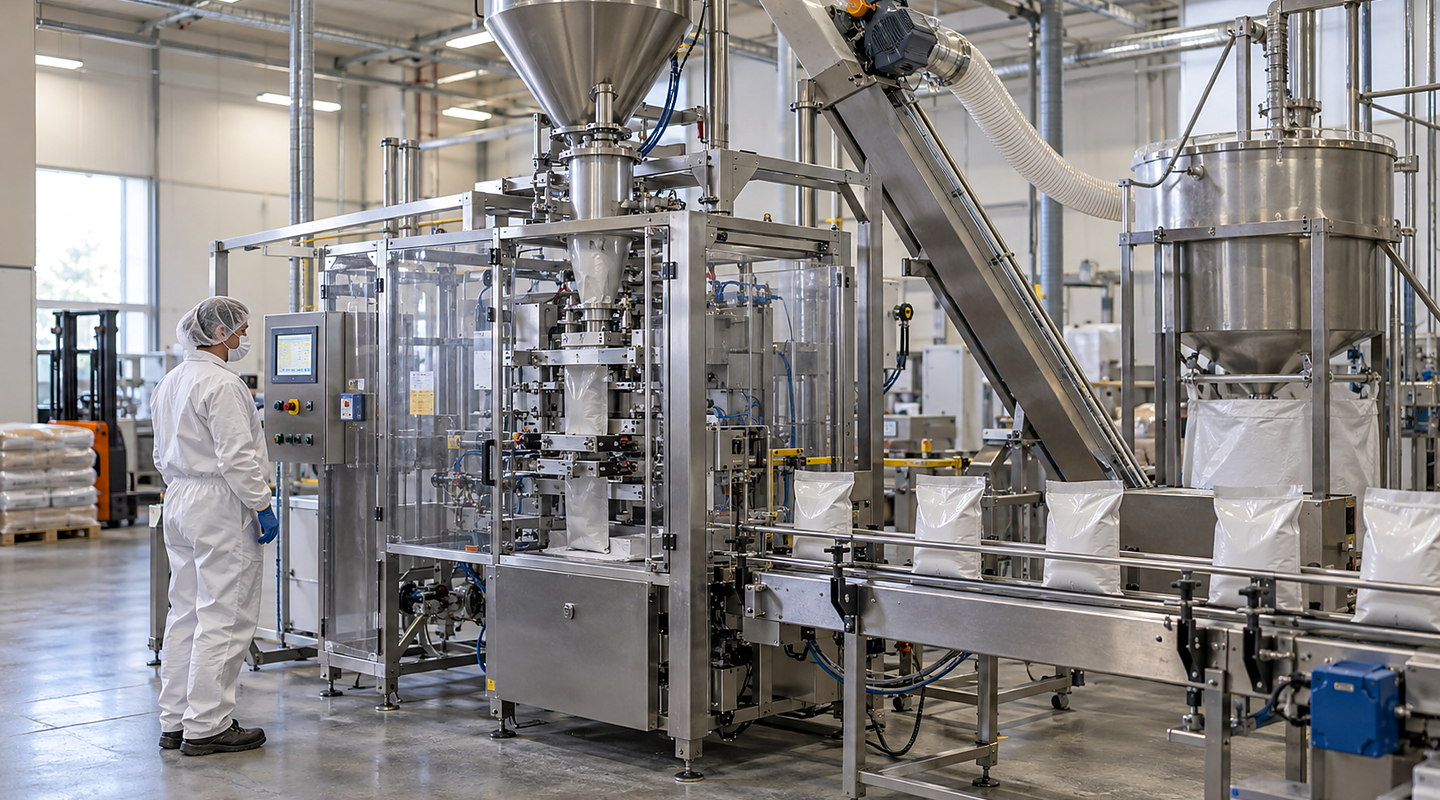
Trial rice feeding, grain condition, weighing and bag sealing using actual varieties, fines, target weights and packaging, with separate fault records.
Test rice feeding, weighing, transfer and sealing with the actual varieties and normal fines condition. Record grain condition before and after handling, individual doses, spillage, retained grains and contamination at the bag mouth. Inspect finished bags after normal transfer using agreed seal and handling checks.
Follow the hopper-to-closed-bag comparison and document the sample and packaging brief. Keep an incorrect dose distinct from a correct dose that partly misses the bag, and assess seal-area clearance separately from weighing.
Plan rice packing machines around your product, pack range, target output, cleaning needs and finished-pack checks. Discuss a practical line concept with Lancing using representative samples. Use this guide to resolve rice weighing & bag sealing product behaviour before it limits the final system.
Discuss your application

Record rice variety and grain/fines condition, product supply level, packaging specification and the proposed handling route. Keep grain condition, individual weights, transfer losses and seal observations distinct.
Include intended rice and pack-weight combinations, actual bag or film variants, normal batch differences and changes around replenishment. Record untested conditions explicitly.
Use observations to locate the stage needing attention: feed and dosing, discharge and bag support, seal-area clearance or finished-bag handling. Recheck the connected route after adjustments.
Identify trial rice by variety and representative grain/fines condition. Record normal variation and inspect before and after transfer so handling-related changes are visible.
Use actual bags or proposed film, including the relevant opening, dimensions, construction and printed repeat. Observe mouth presentation, bag support and finished-pack behaviour.
Record individual doses and finished-pack results using an agreed checking method. Look for a late tail of grains or retained rice, and distinguish dosing variation from product spilled during filling.
Observe the route as product supply changes and after replenishment. Include the intended pacing, bag handover and downstream transfer instead of testing the feeder in isolation.
Include retained rice, product clearance and planned cleaning and weight/format changes. State access and operator tasks and which product or packaging changes need a further trial.
Record spillage, grain condition, seal-area contamination and agreed seal/handling results separately. Keep the material specification, settings, observations and corrective action with the trial record.