Rice Weighing & Bag Sealing Product Behaviour
Provide the rice varieties, normal batch variation and fines condition expected in production. Compare grain condition before and after the feeding route, including a hopper refill.
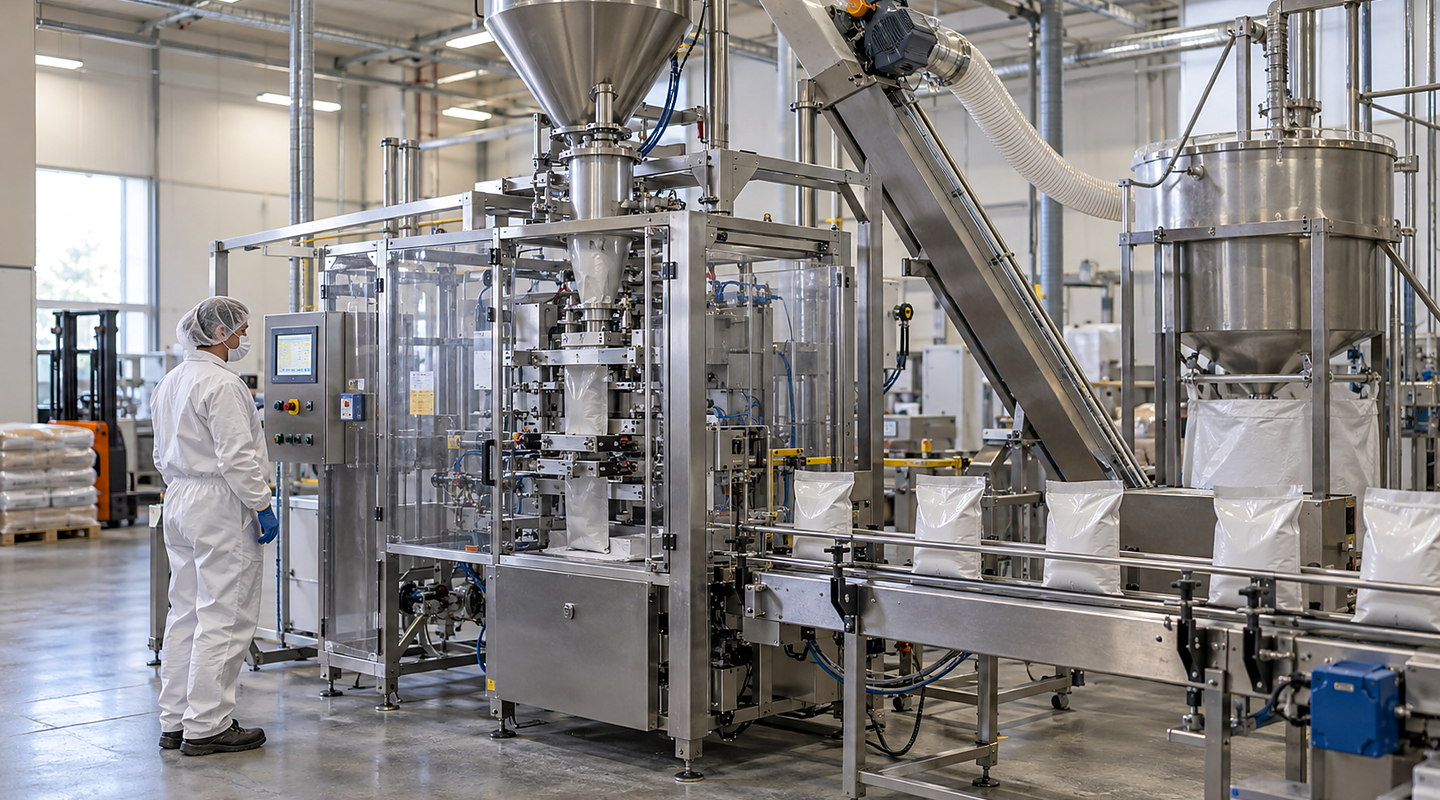
Plan routine rice packing with representative grain and fines, individual weights, supported bag filling, seal checks and replenishment during the run.
Trial routine rice packing from the product supply to the accepted finished bag. Use the intended rice varieties, grain and fines condition, pack weights and production packaging. Include hopper and packaging replenishment, normal bag handling and a restart so the result represents the complete operating cycle.
Agree the individual-weight and finished-bag checks in the application brief. A weighing-cycle count alone does not describe the output of closed bags that meet the agreed criteria.
Plan rice packing machines around your product, pack range, target output, cleaning needs and finished-pack checks. Discuss a practical line concept with Lancing using representative samples. For routine production using rice weighing and bag sealing, the deciding details include rice weighing & bag sealing product behaviour, target dose, count or pack weight and finished-pack checks and reject handling.
Discuss your application

Provide the rice varieties, normal batch variation and fines condition expected in production. Compare grain condition before and after the feeding route, including a hopper refill.
Supply actual premade bags or the intended roll film with finished dimensions and relevant gusset, zip or printed-repeat details. Define how each format is opened or formed, supported, filled and closed.
List all target weights and the agreed checking method. Retain individual dose and finished-pack results, and record spillage separately so transfer losses are visible.
Run the intended connected production sequence with replenishment, short stops and normal finished-bag removal. Record accepted closed bags, rejected bags and operator interventions over an agreed period.
Map access for product clearance, cleaning, weight/format changes and maintenance. Define the responsible checks before restarting with the next rice or packaging specification.
Inspect the bag mouth, seal area and finished bag after normal transfer. Agree seal and handling criteria, the checking method and how bags outside those criteria are identified and controlled.
Include replenishment, normal production, planned change, short stops, fault recovery, cleaning and maintenance for routine production using rice weighing and bag sealing. A fast automatic step can still leave your team with a slow or awkward overall process.
Run the agreed product or part mix for routine production using rice weighing and bag sealing at your intended operating pattern.
Include credible extremes for rice weighing & bag sealing product behaviour and container, bag or pack range.
Show how the proposed solution detects a problem affecting routine production using rice weighing and bag sealing, responds safely, informs your team and restarts under control.
Compare with Short Runs and Format Changes Involving Rice Weighing and Bag Sealing if that operating pattern is closer to your application.