Rice Weighing & Bag Sealing Product Behaviour
Describe the rice varieties and fines condition that change between orders. Record how remaining rice is cleared and how the next product is identified before the new run starts.
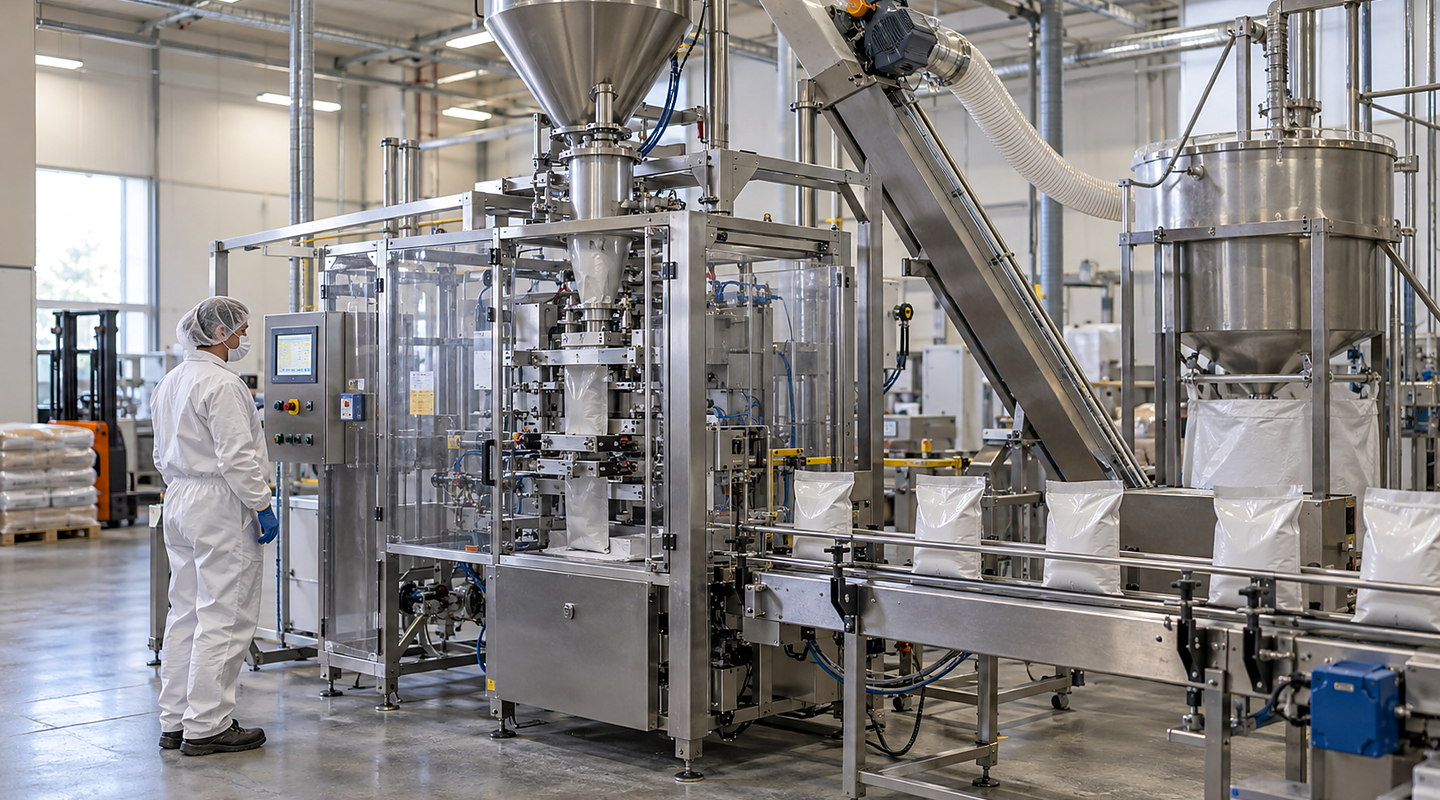
Plan rice packing changeovers around product clearance, target weight, bag or film setup, seal checks, first accepted bags and real short-run output.
For short rice-packing runs, measure the full change from the last accepted bag of one order to the first accepted bag of the next. Include product clearance, weight settings, bag or film setup, sealing checks and operator tasks, then confirm the new run against its approved product and pack specification.
Use the format comparison and changeover acceptance checks. Record startup material, rejected bags and setup time separately from the stable filling cycle when comparing arrangements.
Plan rice packing machines around your product, pack range, target output, cleaning needs and finished-pack checks. Discuss a practical line concept with Lancing using representative samples. For short runs and format changes involving rice weighing and bag sealing, the deciding details include rice weighing & bag sealing product behaviour, target dose, count or pack weight and finished-pack checks and reject handling.
Discuss your application

Describe the rice varieties and fines condition that change between orders. Record how remaining rice is cleared and how the next product is identified before the new run starts.
List each premade-bag or film format and the setup tasks needed for dimensions, bag presentation, forming and print registration where applicable. Use production packaging in changeover trials.
Include the smallest and largest target weights in the trial matrix. Confirm the new weight settings using agreed individual checks and document who approves the first bags.
Record order sizes and the frequency of product, weight and packaging changes. Time the full transition from the last accepted bag to the first accepted bag of the next order, with startup losses visible.
Document product clearance, cleaning, setup parts, access and operator steps. Agree how settings and packaging identity are checked before restarting; hygiene and allergen controls remain site-specific requirements.
Inspect the first bags for weight, grain condition, spillage, seal contamination and agreed integrity/presentation criteria. Separate startup rejects from accepted output and retain the approval and exception record.
Include replenishment, normal production, planned change, short stops, fault recovery, cleaning and maintenance for short runs and format changes involving rice weighing and bag sealing. A fast automatic step can still leave your team with a slow or awkward overall process.
Run the agreed product or part mix for short runs and format changes involving rice weighing and bag sealing at your intended operating pattern.
Include credible extremes for rice weighing & bag sealing product behaviour and container, bag or pack range.
Show how the proposed solution detects a problem affecting short runs and format changes involving rice weighing and bag sealing, responds safely, informs your team and restarts under control.
Compare with Routine Production Using Rice Weighing and Bag Sealing if that operating pattern is closer to your application.